The Mercedes-star on the elements of land, water and in the air.

The future is about circularity.

We want to build the world's most desirable cars in a more sustainable way – by closing loops.

Tomorrow drives Mercedes-Benz

Putting circularity at the centre of our world.

We want a more sustainable future. Circularity helps us achieve this by keeping as much as possible in the loop. That means driving down our use of resources and minimising waste. It means using more recycled materials and making our cars even easier to repair. And it means making sure as much as possible is recycled at the end of a long life. Here's how we do all that.
00:00 / 00:00
Making a difference

Let's look at how we work towards closing loops.

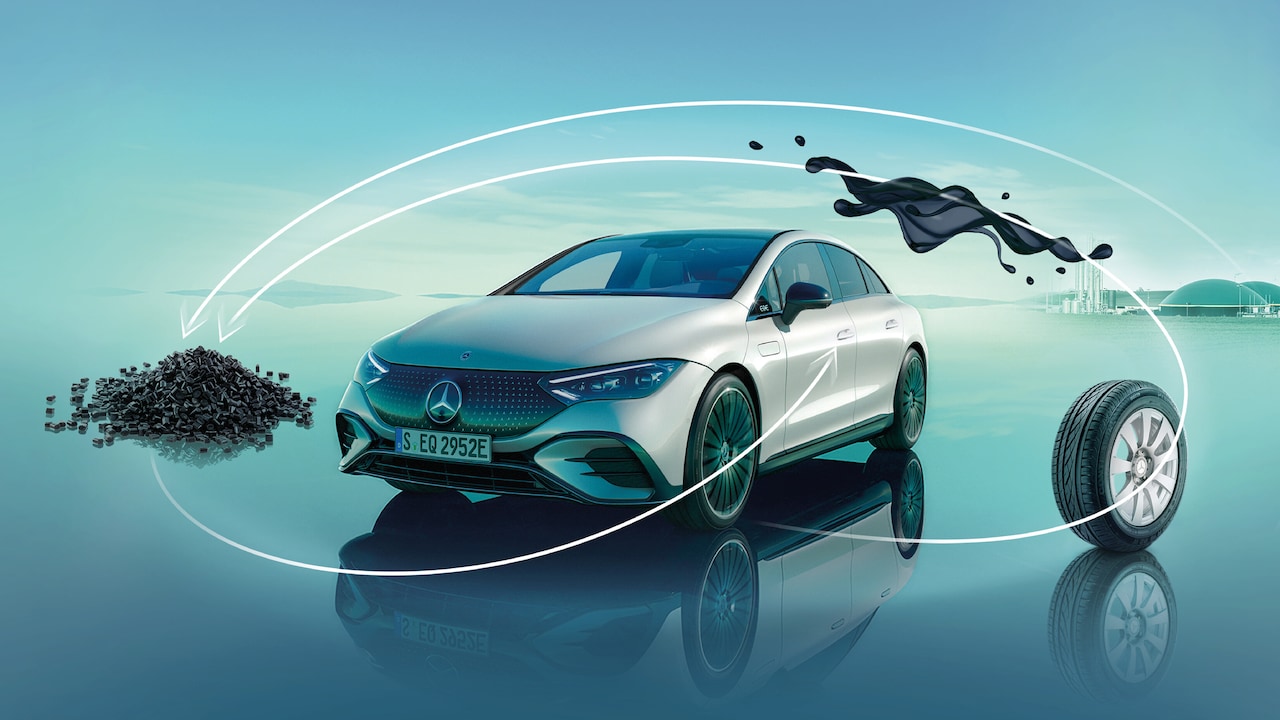
The life cycle of a Mercedes-Benz has three main phases. First, we design and produce our cars – with maximum recycled and renewable materials and minimum waste. Then, you drive them for many years – with our support. Finally, we close the loop by making sure that what went into them is recovered, recycled and used again. We call this the circular economy. So, let's break that down.
00:00 / 00:00

Innovation, teamwork & practicality

Here's how we can achieve circularity.

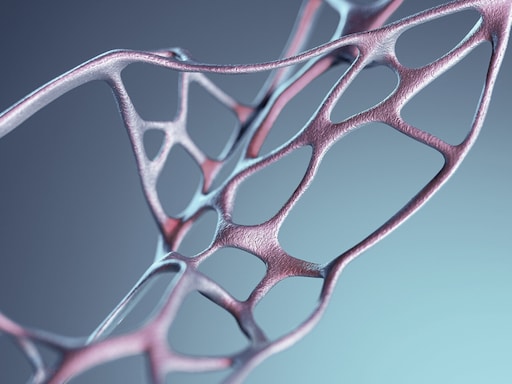
Innovative new materials.
By thinking differently

We design for circularity from the start, e.g. by exploring innovative new materials, like trim made from recycled paper or PET bottles.

Scrap metal on a band in a factory.

By reducing waste

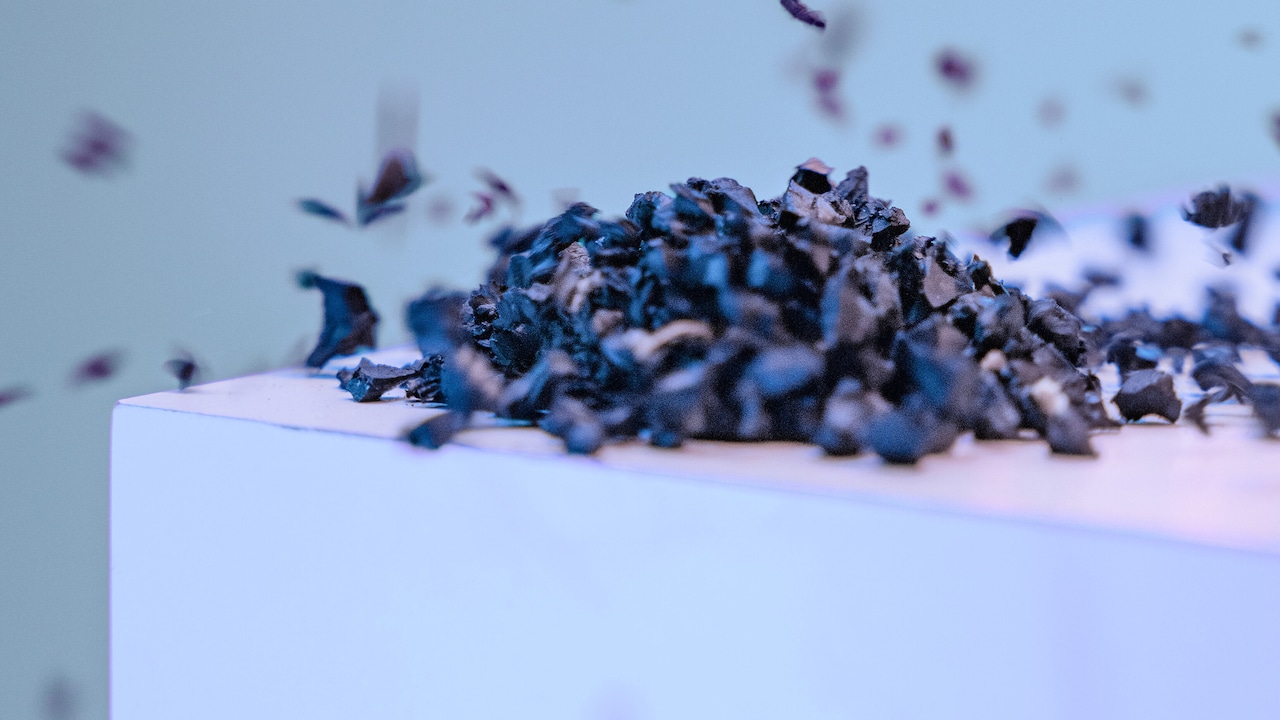
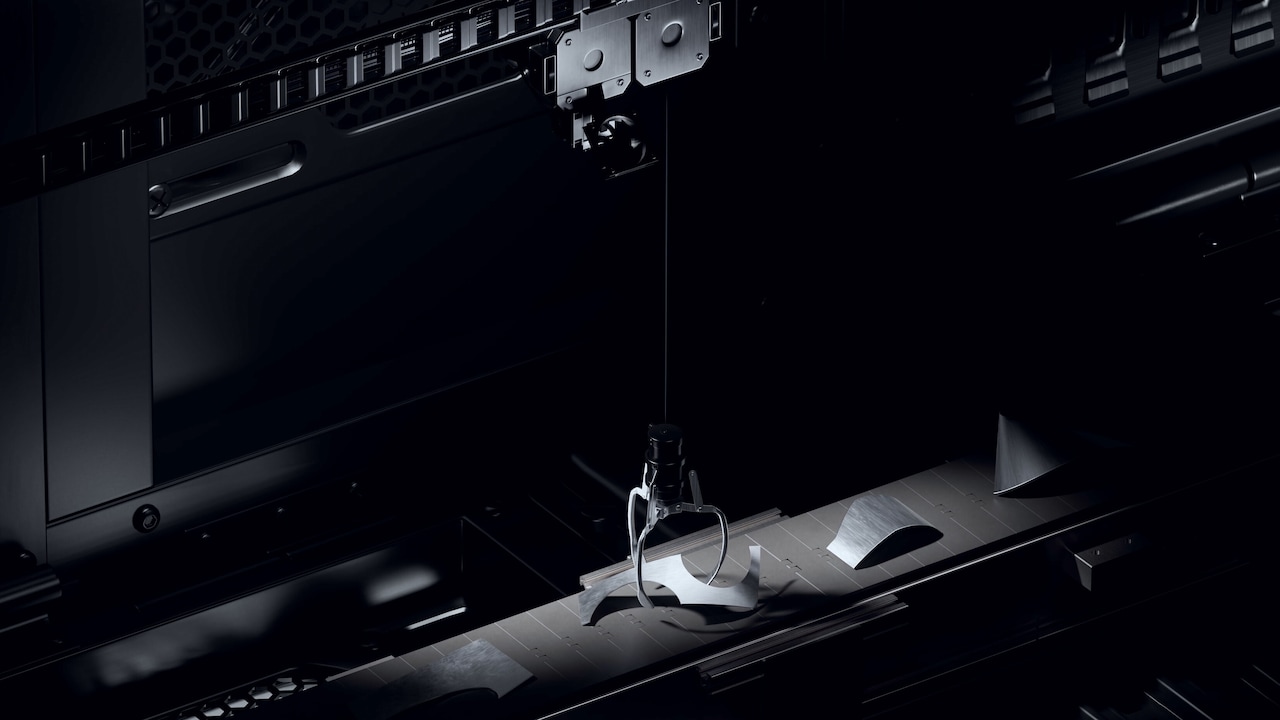
At our factories, we recover scrap metal and return it for recycling. And we save water by treating it on-site and reusing it in production.

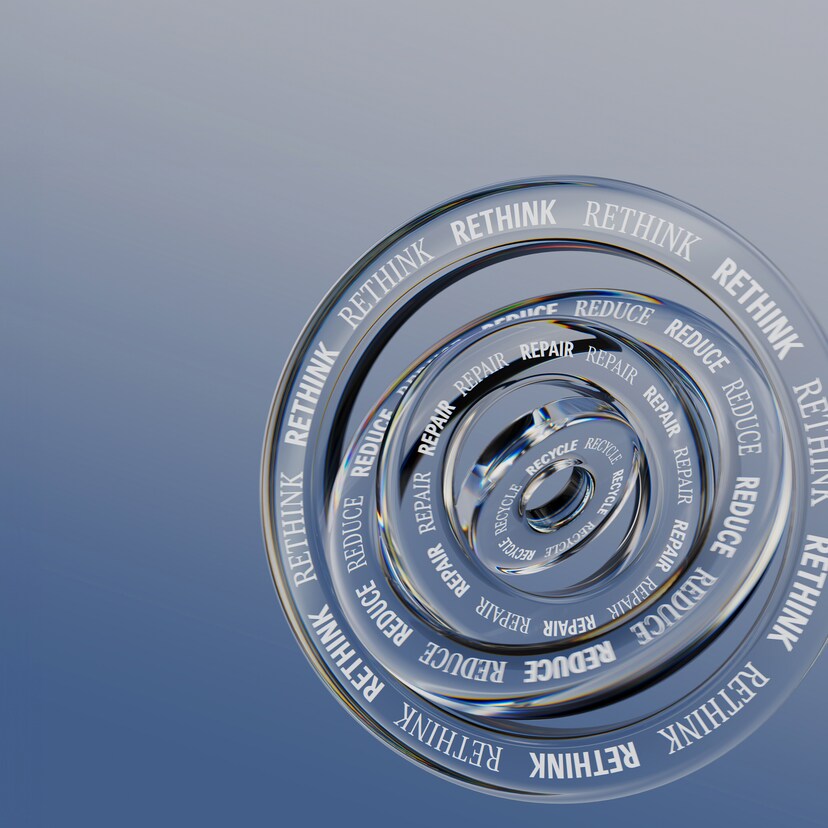
The Recycling circle with a Mercedes-Benz in the center.

By giving our cars a long life

No need for fast fashion: a Mercedes-Benz is built to last and engineered with practical solutions that make it easy to maintain and repair.

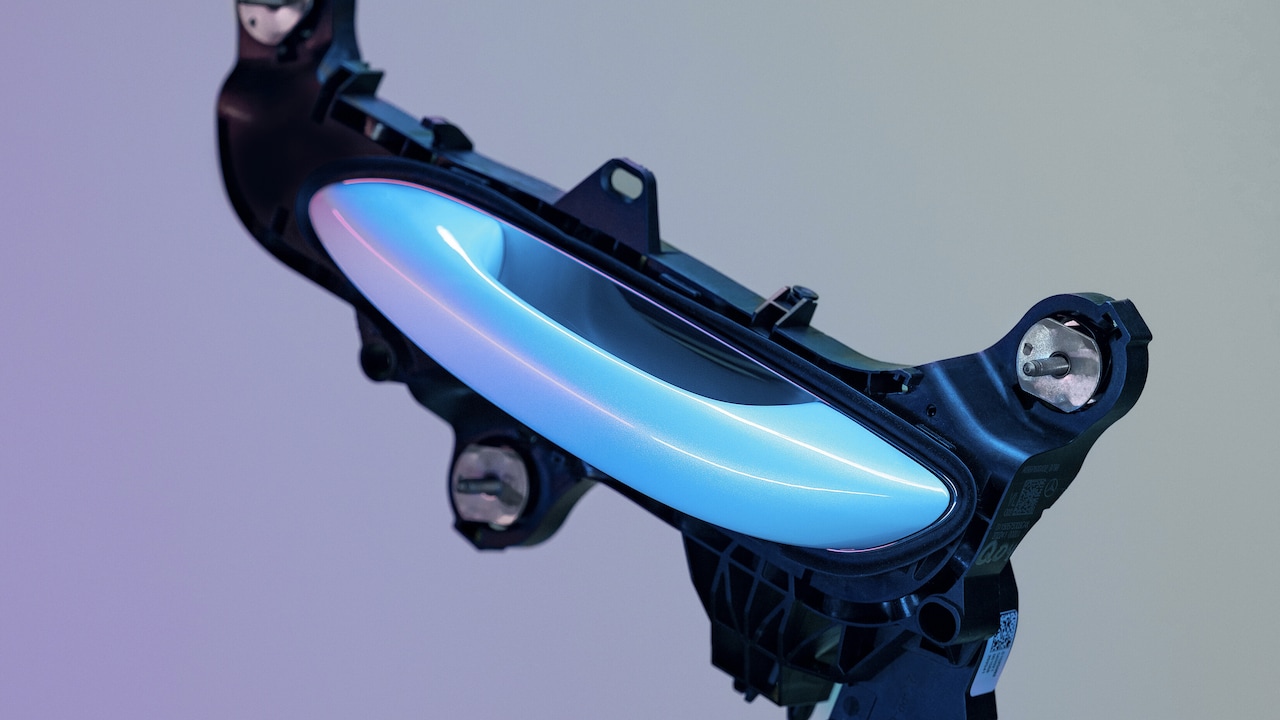
A part of the MICROCUT interior trim of the Mercedes-Benz E-Class.

By recycling as much as possible

The E-Class already has 175 parts containing recycled plastics and renewable materials. And our MICROCUT interior trim has 45% recycled content.

Circularity in the EQE SUV

Let's take a closer look.

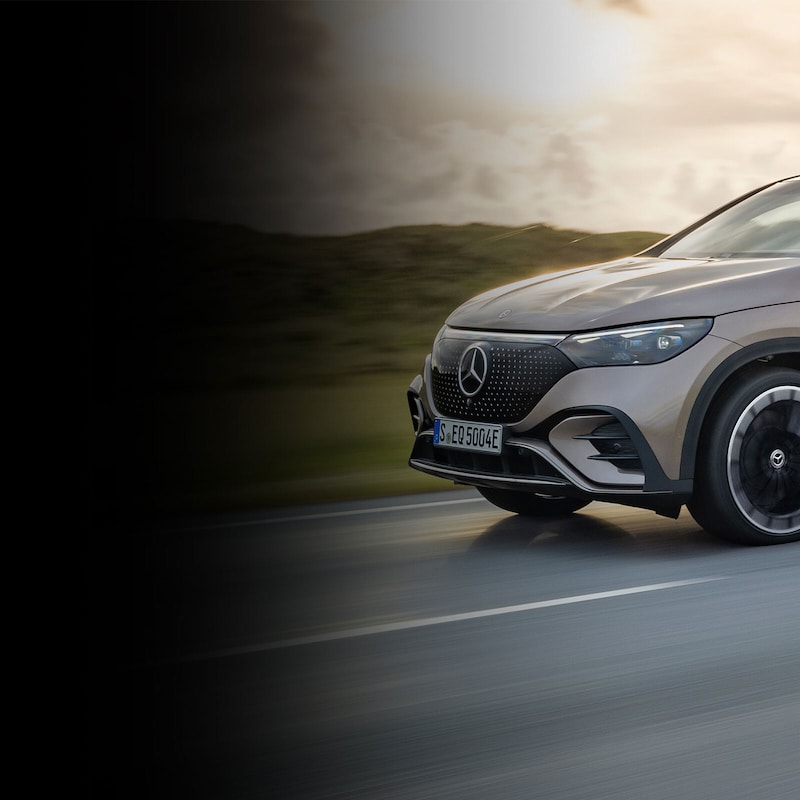
With every new model, we strive to close more loops. The EQE SUV is just one example. The EQE 350+ contains 132 components with a combined weight of 65.1 kilograms that can be produced entirely or in part using resource-saving materials including plastic recyclates and renewable raw materials. In addition, many of its metal components are produced with recycled content.
Mercedes-Benz EQE SUV 350+ | Energy consumption combined: XX,X-XX,X kWh/100 km | CO₂ emissions combined: X g/km | CO₂-Class: X
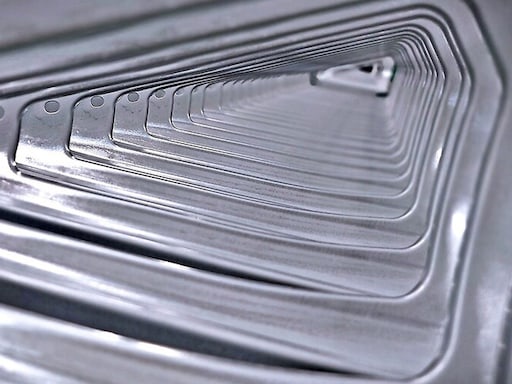
An image of compressed steel.

Circular and strong on the outside.

The steel used for the bodyshell has almost 40% recycled content. For some components, that figure is as high as 70% or more, with the potential for further increases in the share of recycled scrap in the near future. Soon, it will also be made using 100% renewable electricity.

An image of microfibre.

Sustainable and unseen beneath the skin.

Microfibre insulation on the instrument panel and tailgate is made from recycled synthetic fibres. Air guides are made from recycled plastic. Chassis bearings are made of natural rubber. Chassis cladding are made entirely or in part from recycled plastics.

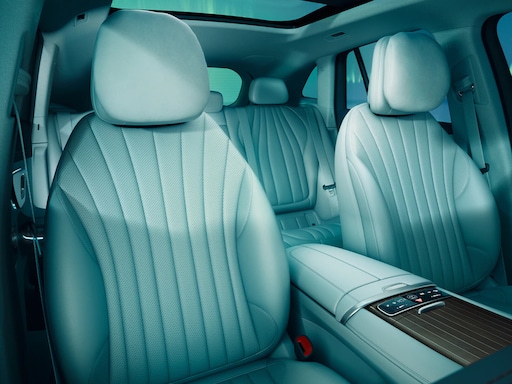
The interior of a Mercedes-Benz.

Recycled and beautiful on the inside.

Microfibre seat upholstery, headliner and pillar trim are made from 40% recycled PET bottle flakes. Floor mats are made in part from recycled PET bottle flakes. Flooring is produced using nylon yarn from recycled carpet scraps.

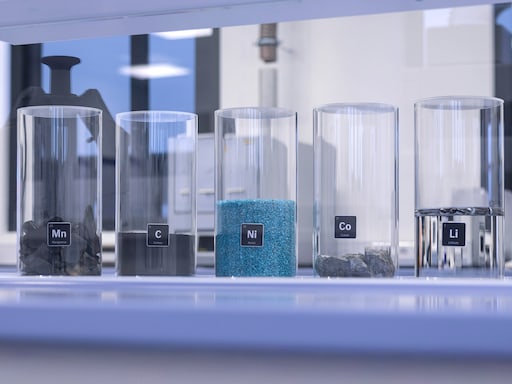
Cylinders and lab equipment.

Keeping battery materials in the loop.

At the end of a long vehicle life, we are ready to close the loop with innovative battery recycling technology. For instance, in Germany, our new battery recycling plant is able to recover 96% of precious raw materials to make new batteries.

Our ambition for sustainability has many circles.

Those interlinked circles, large and small, are part of a wider ecosystem and mindset. Here are a few of them.