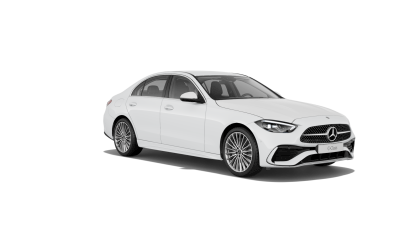
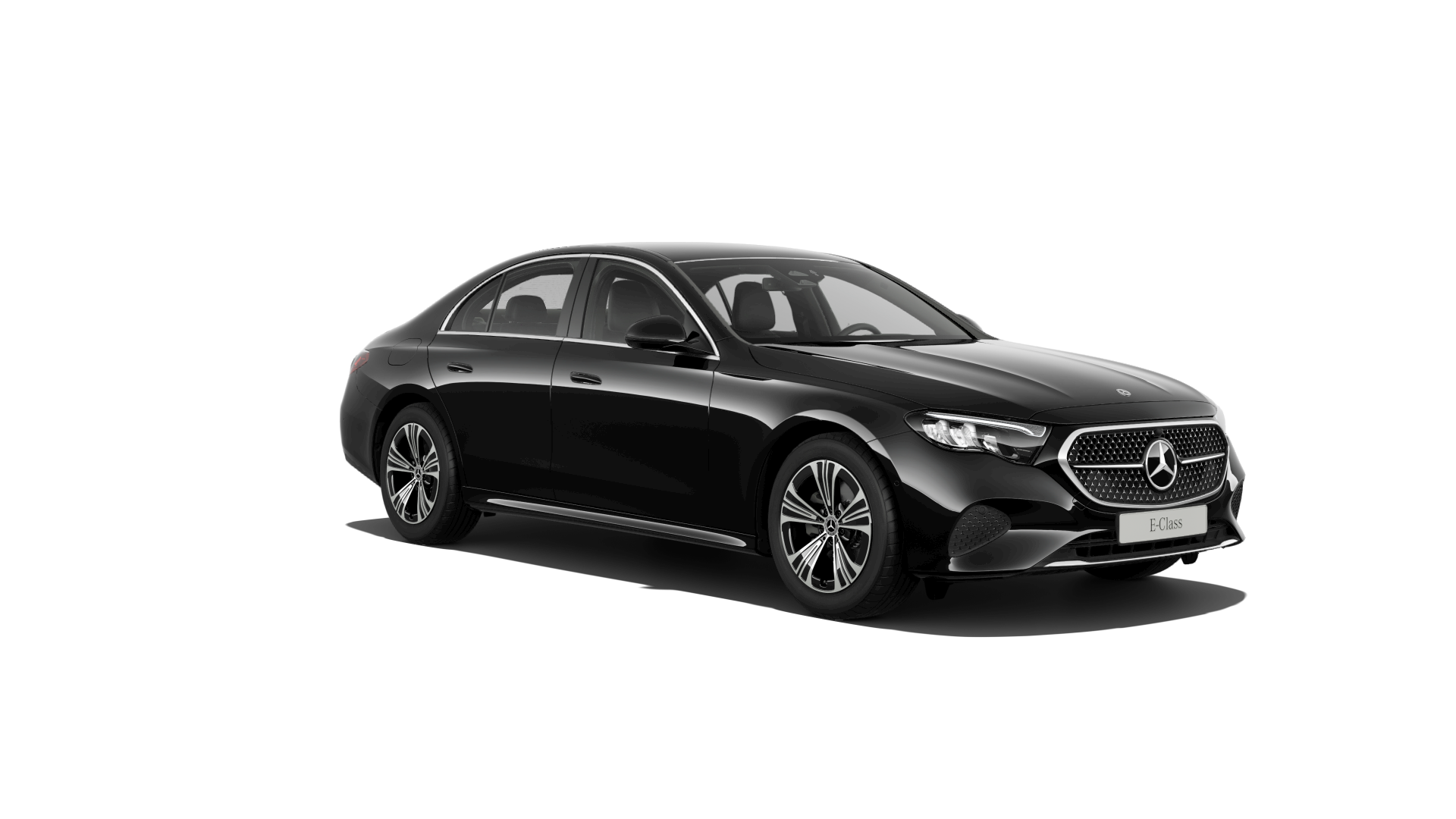
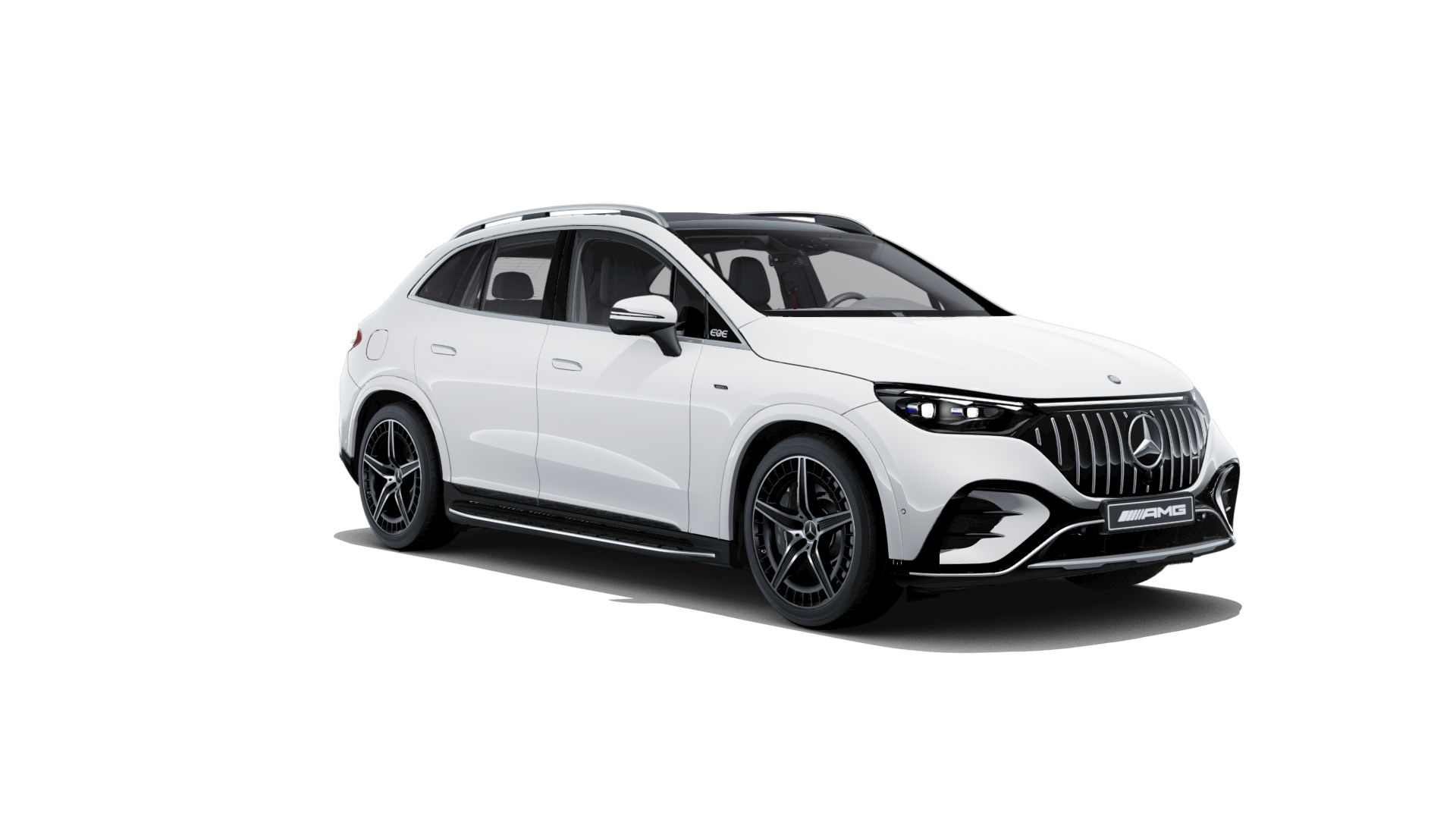
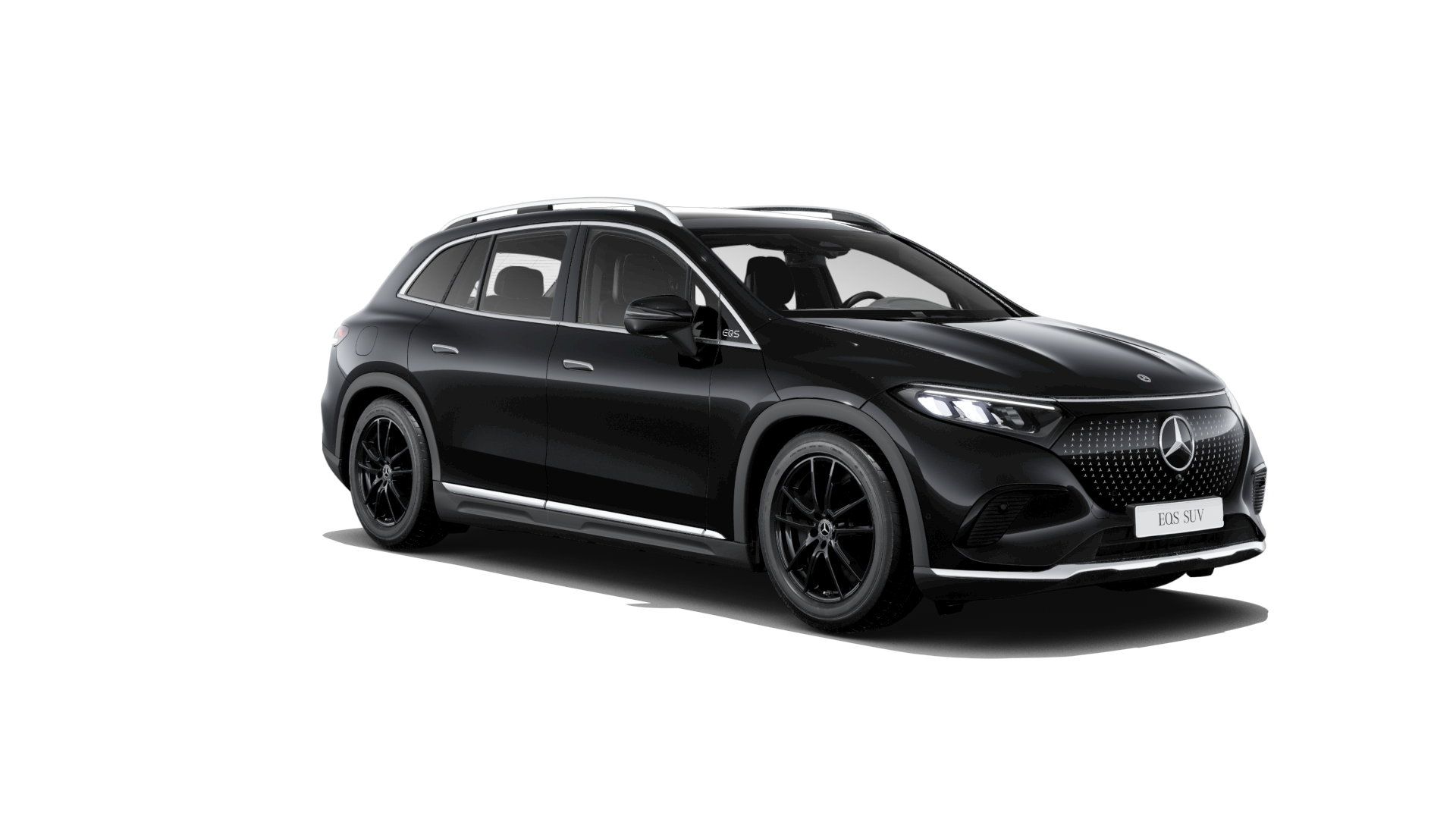
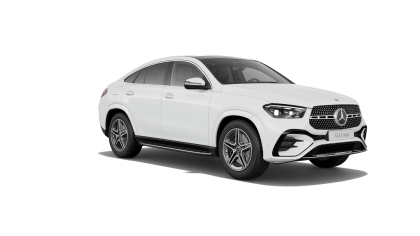
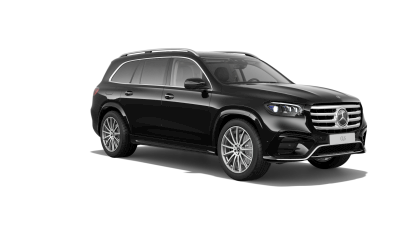
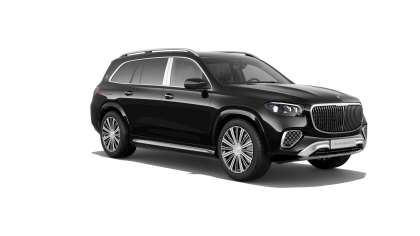
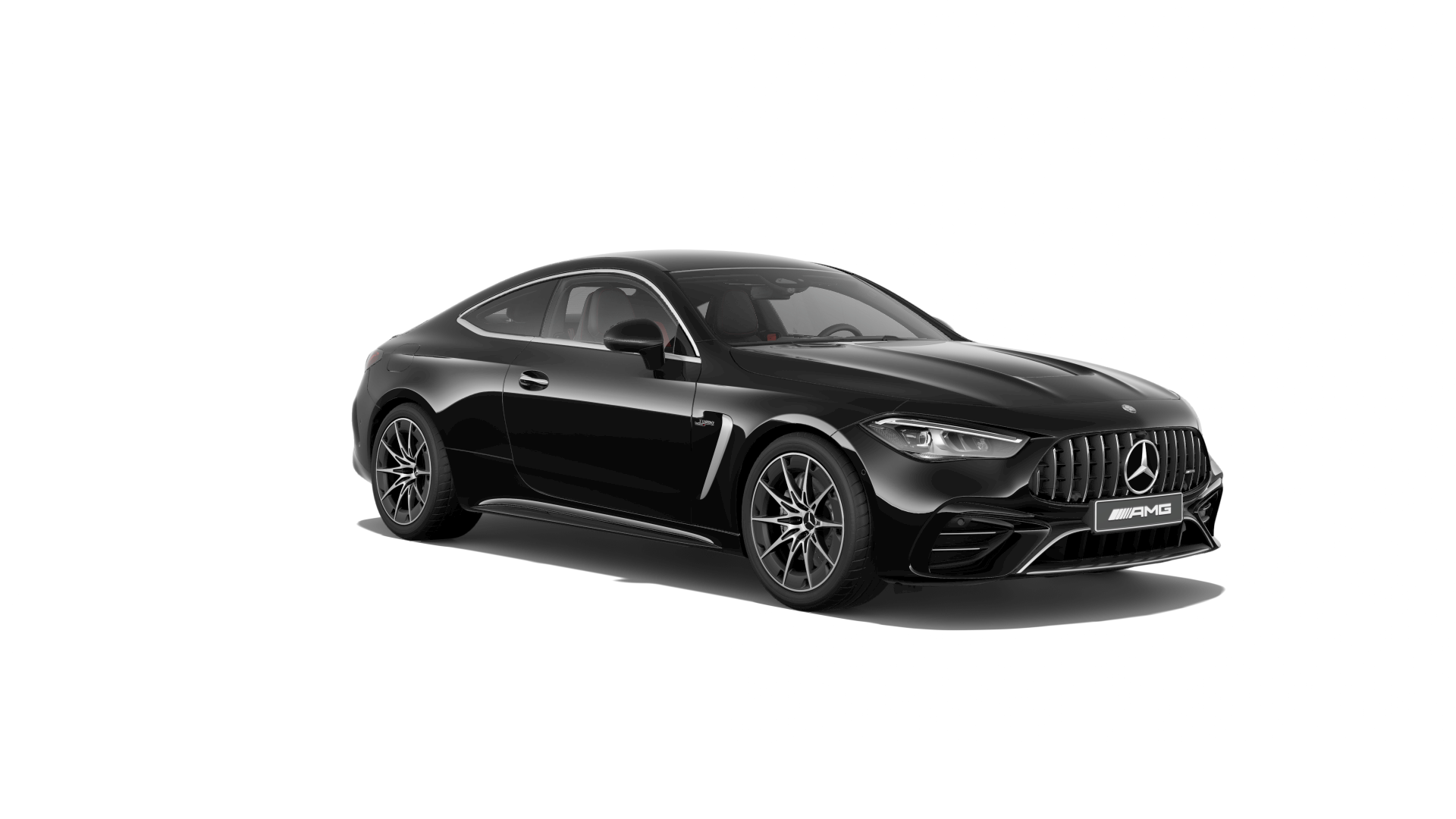
Electric cars from Mercedes-Benz.

Electric cars from Mercedes-Benz.

Discover the exciting range that combines intelligence, driving pleasure, versatility, safety, and performance.

Book a test drive

Model Overview

Discover the Mercedes-Benz all-electric cars.

0 models

3 models

Bodytype

Sedans
SUVs
Hatchback
Coupés
Cabriolets / Roadsters
People Carriers

SUVs

People Carriers

The smart choice – go electric with Mercedes-Benz.

From elegant saloons to versatile SUVs, every model in the Mercedes-Benz electric range combines effortless performance, outstanding efficiency and cutting-edge technologies. Add in impressive range figures and convenient charging solutions – either at home, on the road or at the workplace – and going electric is the intelligent choice for the future.

Calculators

Ready to go electric – is it the right choice for you?

If you’re curious about whether an electric car fits your lifestyle, then our cost calculators will help. Our dedicated tools will help you estimate charging time, home-charging costs, charging frequency, driving range, and nearby charging options – so you can easily find the right model for you.

Our Vehicles

Discover our diverse range of brands and models: Here you'll find your personal dream vehicle.

0 models

3 models

Bodytype

Sedans
SUVs
Hatchback
Coupés
Cabriolets / Roadsters
People Carriers

SUVs

People Carriers

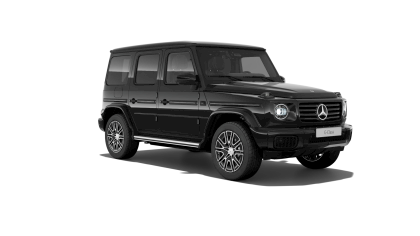
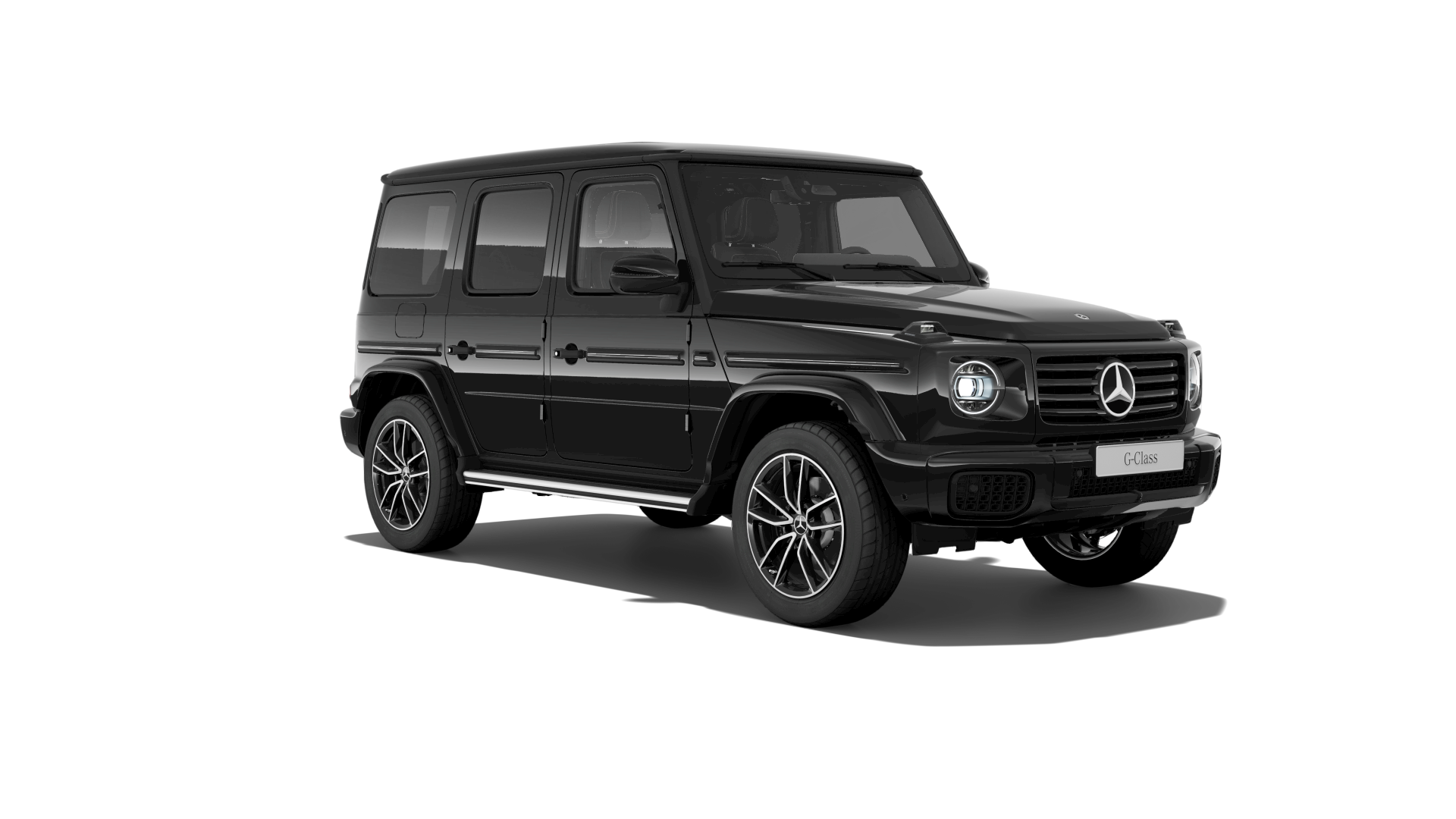
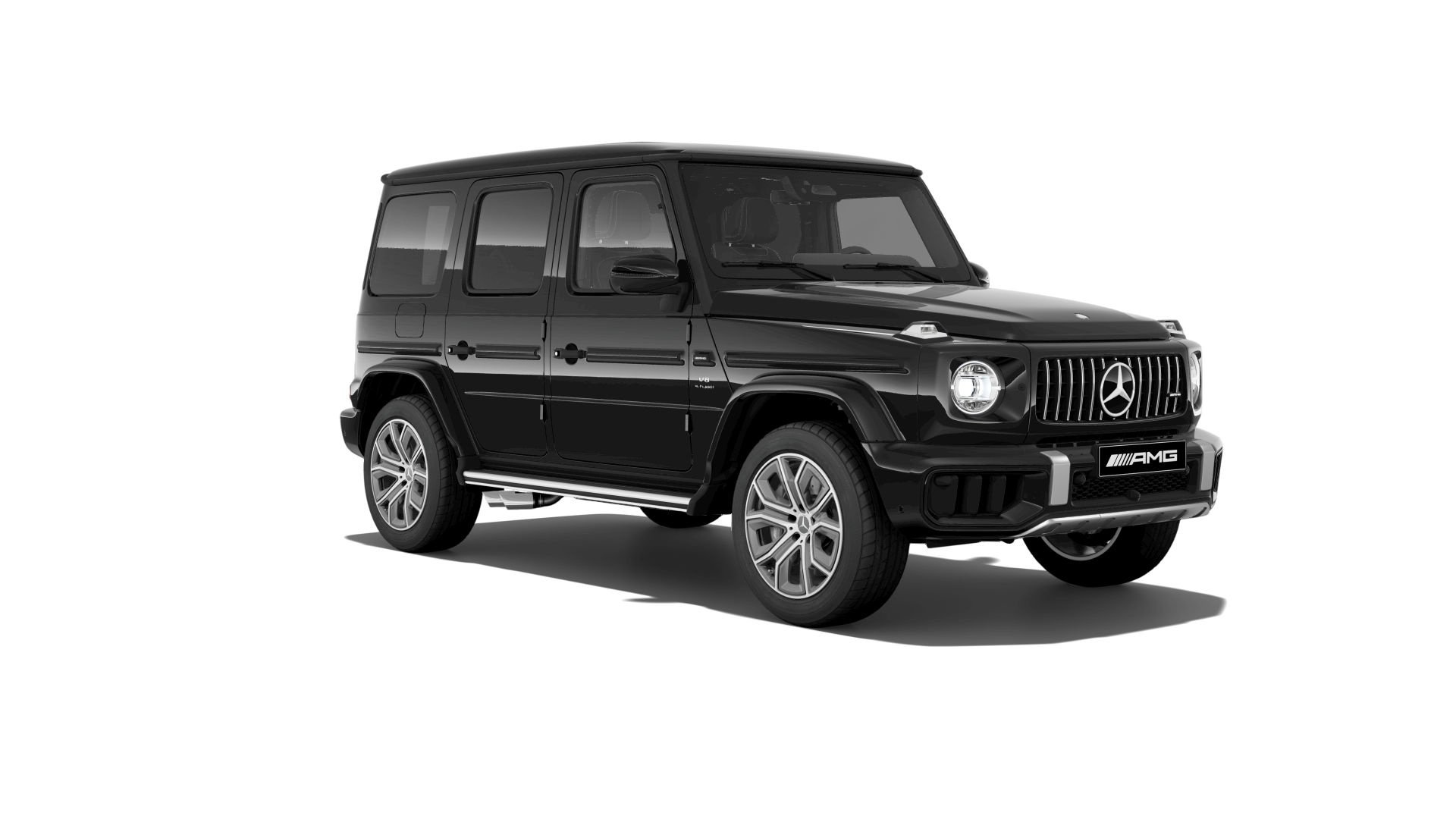
Mercedes-Benz G 580 with EQ Technology | WLTP: Fuel consumption, weighted, combined: XX.X l/100 km; Electricity consumption, weighted, combined XX kWh/100 km; CO₂ emissions, weighted, combined XX g/km

Why all-electric?

Four reasons to choose an all-electric vehicle.

Finance & incentives

Incentives designed just for you.

Finance & incentives for your electric car from Mercedes-Benz.

Frequently asked questions.

Whether this is your first Mercedes-Benz electric car, or you’re looking to change or upgrade your current model, we’ve put together a shortlist of the most common questions to help you make the right choice.

Unlike a traditional car that has an internal combustion engine powered by petrol or diesel, an electric car uses electric motors powered by electricity. The battery stores electricity, which is supplied to the motors to turn the wheels.

An electric car charges via a cable (attached to a wallbox or public charger), storing energy in a rechargeable battery that powers one or more electric motors with instant torque. Lifting off the accelerator triggers regenerative braking, turning kinetic energy into electricity and feeding it back into the battery.

An electric car runs only on electricity, so it must be charged regularly to cover longer distances. A plug-in hybrid (PHEV) has both an electric motor and an engine, so it can drive on electricity alone for short distances (typically 80-100 km WLTP), then switch to the engine for longer journeys.

You can charge at home, work or public station. Home and most public chargers supply AC, which the car converts AC to DC to charge the battery. High-power public chargers use DC rapid charging, sending power straight to the battery, which is why this type of charging is much faster.

Home wallboxes (approx. 7 kW) take roughly 10-13 hours for a full charge. Public AC chargers (typically 11-22 kW) cut this to around 4-6 hours for a 20-80% charge. DC charging is the fastest: for example, the 800-volt system in the electric GLC supports up to 330 kW, adding up to 303 km in just 10 minutes.

The EQS 450+ has the longest range at 925 km WLTP. WLTP (Worldwide Harmonised Light Vehicle Test Procedure) is a global standard measuring energy consumption, CO₂ emissions, and pollutant levels. Don't forget that real-world figures can vary as a result of weather, driving style, and route profile.

Most of our models allow towing. For example, the new GLC can tow up to 2,400 kg braked depending on the model. Always check the official towing capacity for your vehicle’s model year, specification, region. Some may not offer towing or have limited capacity due to weight, certification or design constraints.

That's the new electric GLC with up to 1,740 litres of boot capacity. What's more, this car (like the electric CLA and CLA Shooting Brake) has an additional frunk under the bonnet offering an extra 128 litres of loadspace (101 litres in the CLA), which is perfect for smaller items.

Lithium-ion batteries become more sensitive as they approach full capacity. To avoid overheating or internal stress, the car's battery management system automatically reduces power. This is why we always recommend charging between 20-80 % on a regular basis.

All Mercedes-Benz electric cars have a battery certificate that provides a performance guarantee. For the EQS and EQE, it's valid for 10 years/250,000 km. In the all-new electric GLB, electric CLA, electric GLC and electric G-Class, it's 8 years/160,000 km. The certificate for hybrid cars is up to six years/100,000 km.

Mercedes-Benz has opened Europe’s first battery recycling plant in Kuppenheim, Germany, and materials recovered here feed into the production of new batteries for future electric vehicles. It achieves a remarkable recycling rate of over 96 % for key materials.

Vehicle design

Recognisable electro-aesthetics.

The design also takes you into the future. The typical black panel radiator trim with central star and light strips at the front and rear are clearly recognisable. The interior also welcomes you with a completely new, avant-garde electric look in a specific design: progressive luxury in a sporty form.