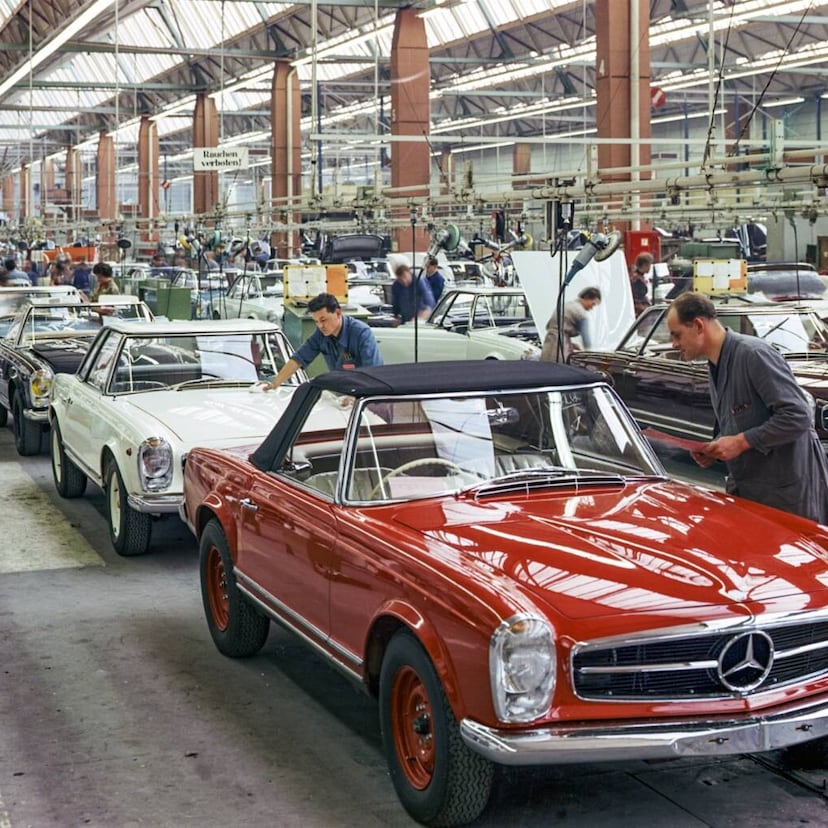
Pioneering vehicle safety for sports cars
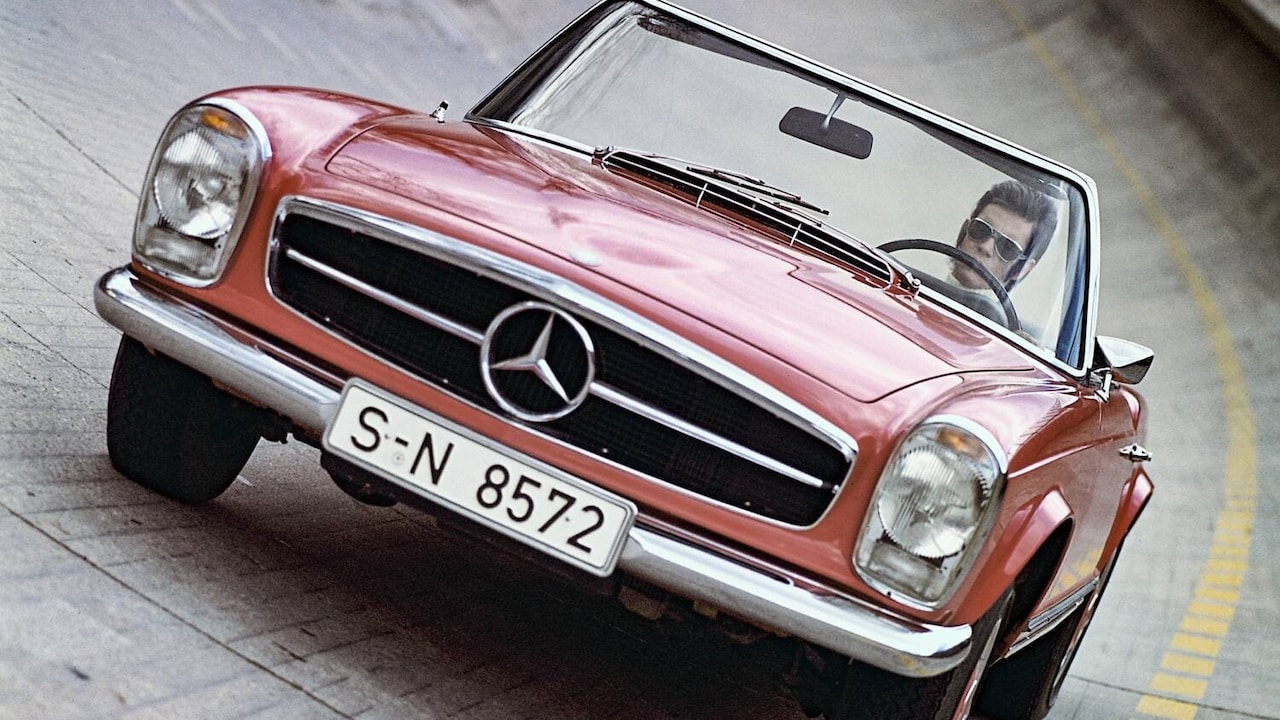
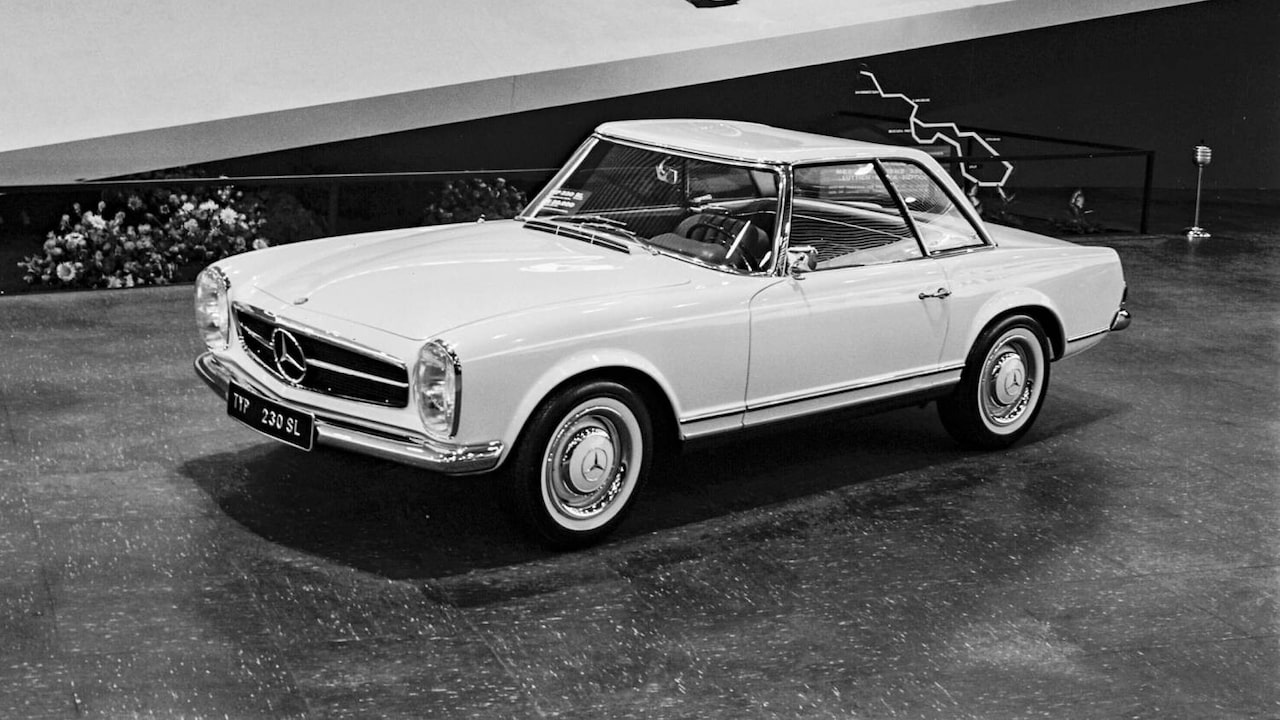
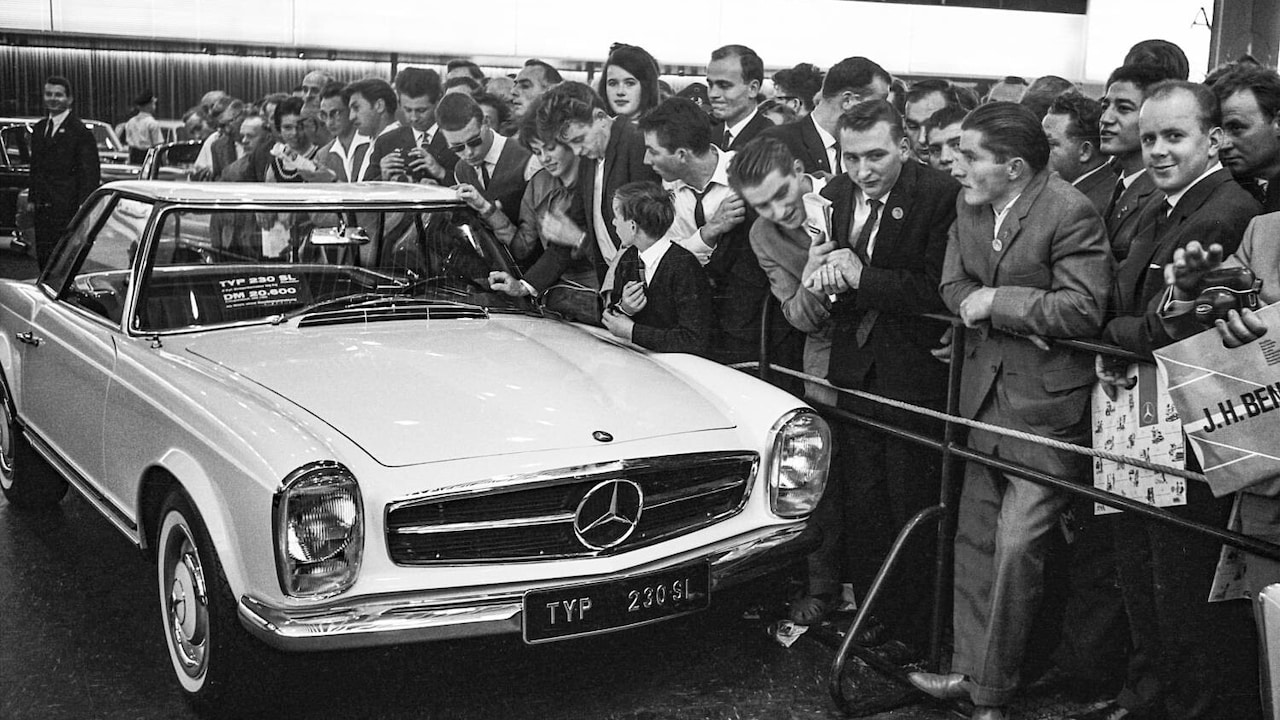
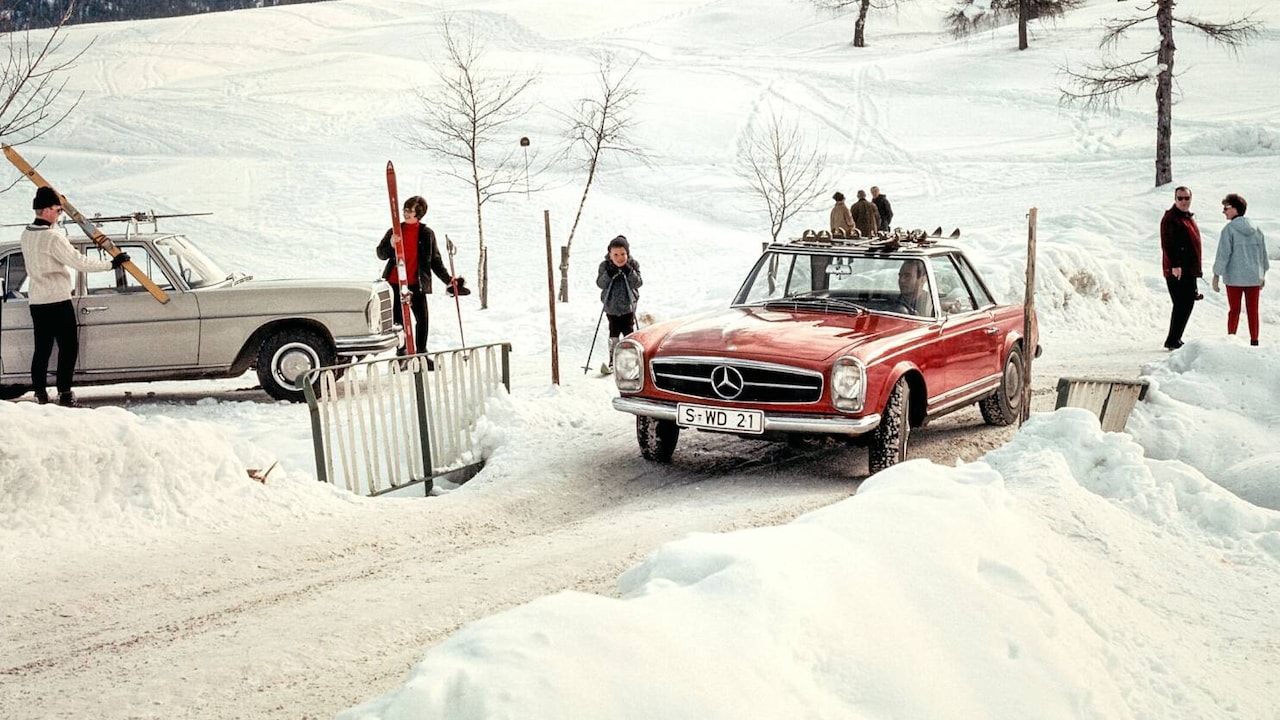
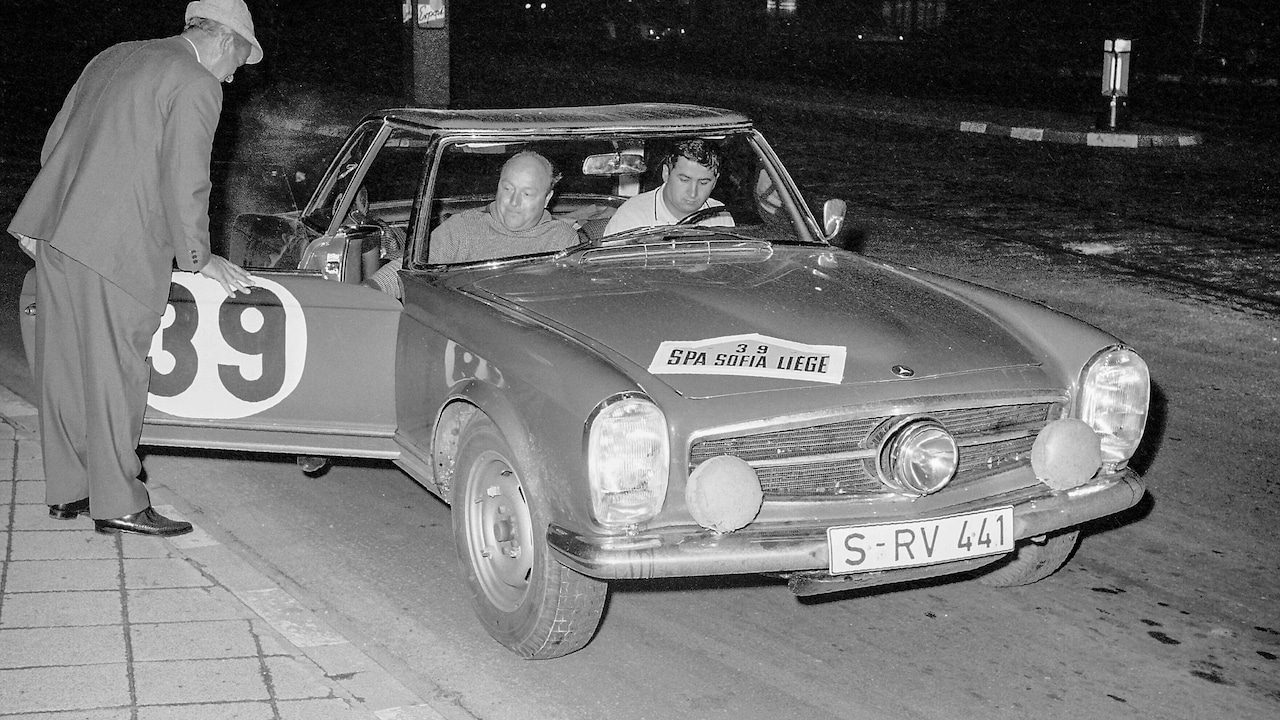
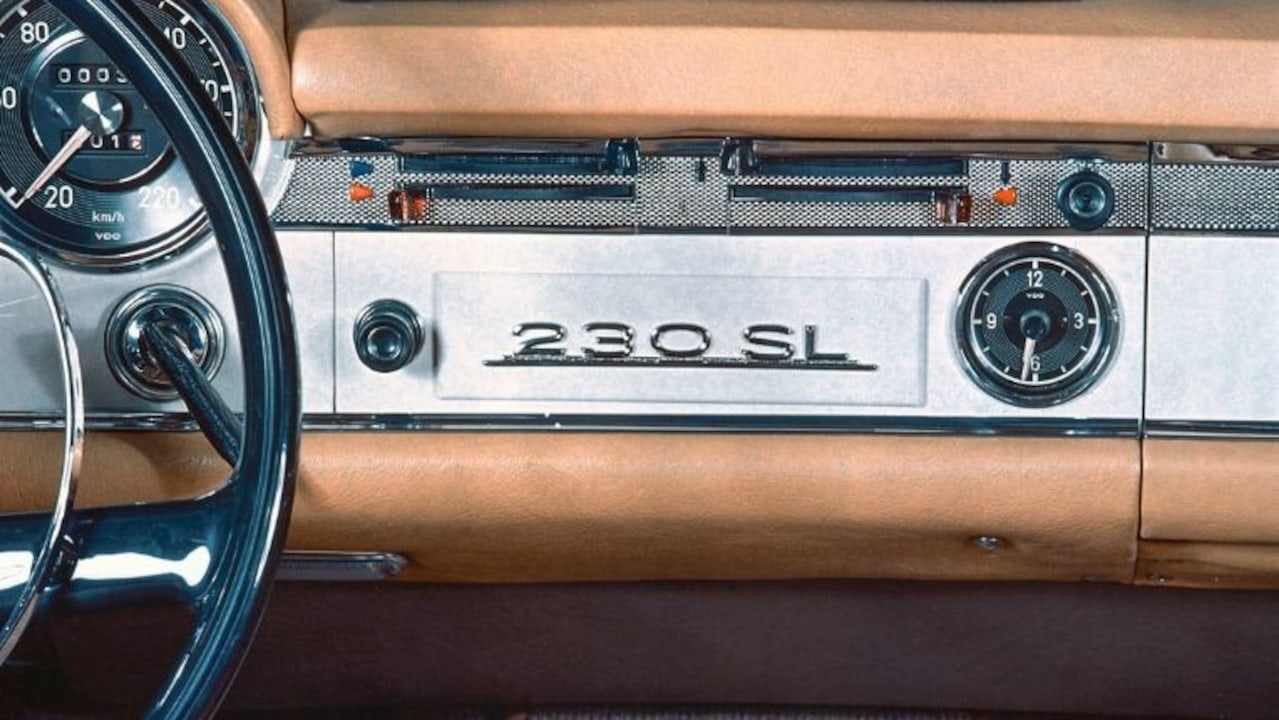
In 1963, the 230 SL impressed as a comfortable, two-seater touring car with high performance. Its design was created under the direction of Friedrich Geiger. It combined clean lines with the classic SL look including a large central star in the radiator grille. The optional hardtop evoked an association: Its inwardly curved roof surface was reminiscent of Asian temple buildings. This gave the sports car the nickname “Pagoda”. Paul Bracq designed the removable coupé roof.
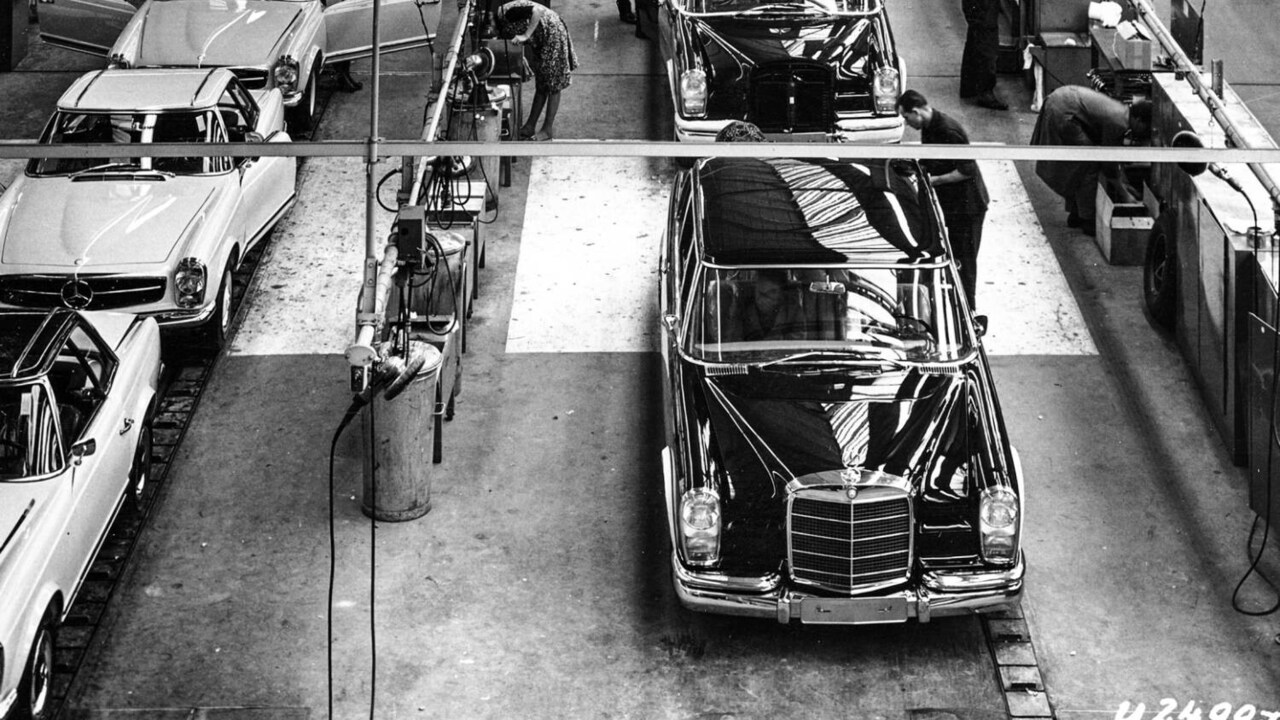
The safety level of the W 113 was groundbreaking for sports cars of the time. The frame floor system of the 230 SL originated from the Mercedes-Benz saloons of the W 111 series. It was shortened and reinforced compared to the four-door models. In 1959, the “Fintail” was the world’s first passenger car with a safety body, developed by Mercedes-Benz safety pioneer Béla Barényi. The “Pagoda” was the first sports car to benefit from the principle of a stable passenger cell with front and rear crumple zones. Added to this was the high level of driving safety of the chassis adopted from the saloon. It was tailored to the demands of the roadster. The suspension was firm yet almost atypically comfortable for a 1960s sports car. For the first time in an SL sports car, a four-speed automatic transmission was available as an option. The 230 SL already had disc brakes on the front wheels. Starting with the 250 SL presented in 1967, disc brakes on the rear axle complemented the equipment.
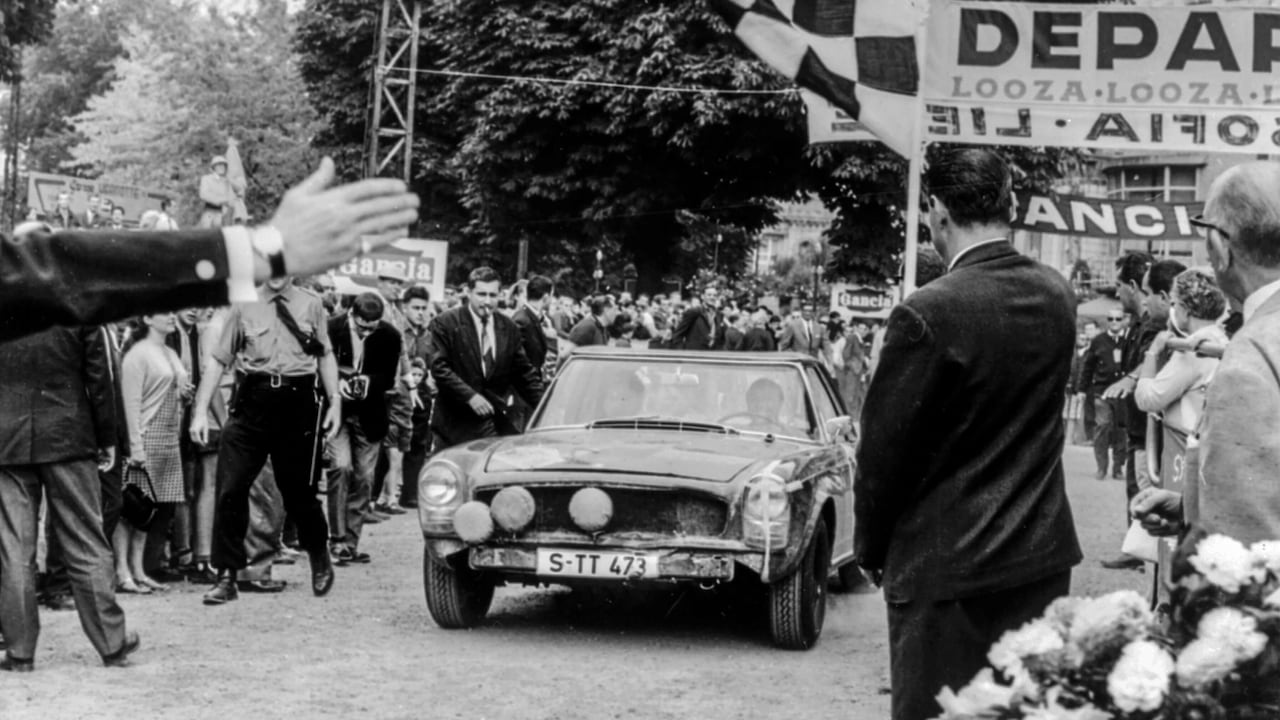
Mercedes-Benz offered this SL successively with three different engines during its eight-year construction period. This distinguished it from the 300 SL and 190 SL models. The engines of these first two production sports cars in the SL tradition, introduced in 1954, were each virtually unchanged until 1963. The sporty M 127 six-cylinder engine of the 230 SL was based on the M 180 engine of the 220 SE. The displacement was increased to 2,306 cubic centimetres for use in the SL. The power unit produced 110 kW, the top speed was 200 km/h and the sports car accelerated from a standstill to 100 km/h in 11.1 seconds.